
The Australian Higher Risk Weather Season has officially begun. While this annual period may sound alarming, there are things we can all do to prepare. With the right preparation and tools individuals and communities can be calm, connected and ready.
As Australia heads into the Summer months the likelihood of extreme weather events increases. The National Emergency Management Agency and Bureau of Metereology have predicated a pattern of heightened volatile weather driving very high temperatures and unpredictable rainfallBeing prepared is on the back of many people’s minds.
From bushfires and storms to floods and extreme heat. Emergencies can affect anyone, in all communities across the country. Yes, the risks vary depending on where we live, but taking a few simple steps now can help us feel more confident and ready to respond if and when an emergency occurs.
For St John Ambulance Australia, disaster response and resilience is something that we take seriously, and our people work alongside emergency services, healthcare providers and partner agencies, to support communities when they need it most. Right now, as our teams are preparing for the season ahead, and we encourage you to take a moment to consider how prepared you are at home, at work, and in your community.
Four Steps to Preparedness
- Review your emergency plan.
Make sure everyone in your household knows what to do, where to go, and how to stay in touch if you need to leave home quickly or become separated. Consider the risks in your local area. Make plans for pets, medications, and essential supplies, and where required, consider accessibility needs. - Check your first aid kit.
A first aid kit is a vital part of a broader emergency response kit each household should have. Make sure it is well stocked, in date and easy to access. Keep it somewhere everyone in your household can find it. If your mind just darted to it sitting in the back of the wardrobe, covered by that bag of clothes you have been meaning to donate for the last six months, you’re welcome. - Refresh your first aid skills.
Knowing how to respond to an injury or medical emergency can make a real difference while waiting for professional help. Consider booking a first aid course, refresher course, or even revisiting your existing knowledge by having first aid fact sheets on hand before the busy summer period. - Listen out for advice from local authorities.
Understand risks in your local area, because many weather events can be predicted in advance. Staying informed and preparing early helps. Once an event occurs, follow the steps instructed by Government and Emergency Services such as when to leave and when to shelter in place. Stay on top of broadcast announcements if possible.
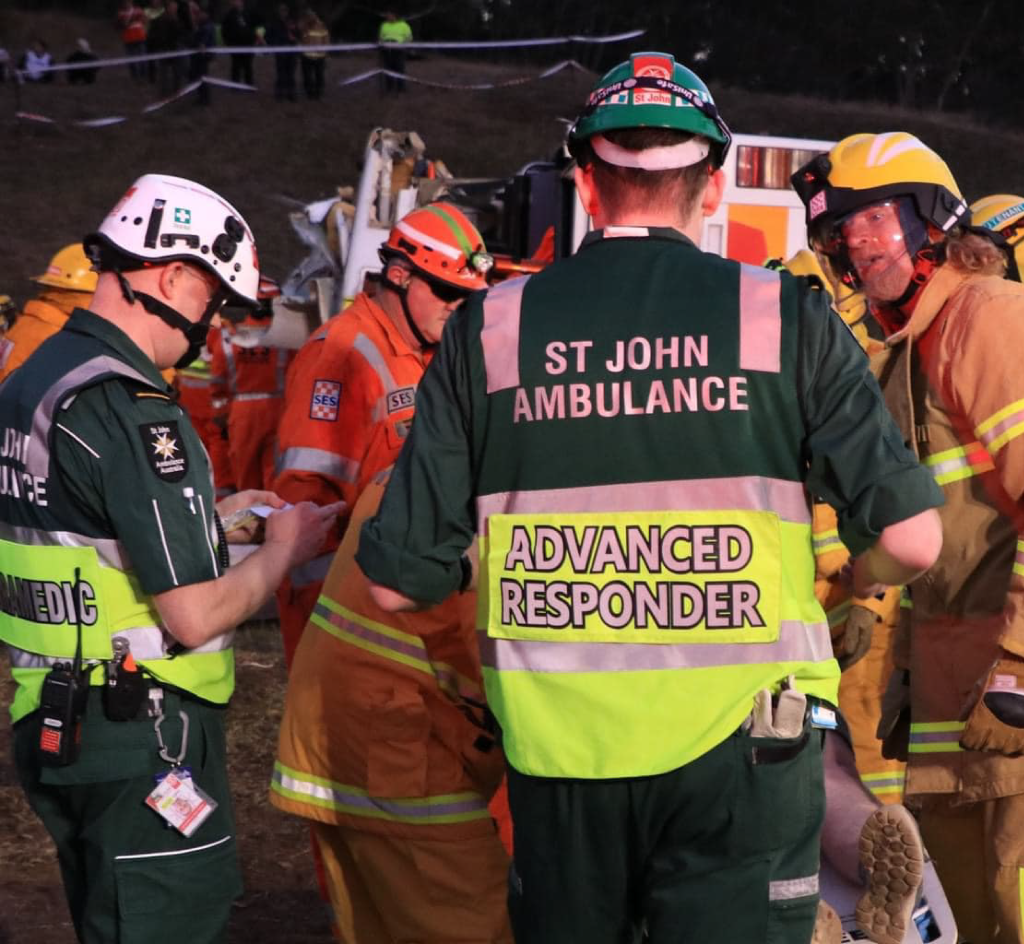
Did you know that most regions have emergency radio stations ready to give you the most up-to-date news during critical moments?
The fact is, preparedness looks different for everyone. But the through line no matter what region you are in is small and practical steps. Taking the time to get ready today can help you, your family, and your community feel more confident if or when the unexpected happens.
The ability to respond starts with preparedness long before an emergency happens.
Trusted resources to help you prepare for the season ahead:
- St John Shop – Get your First Aid kit ready.
- St John Ambulance Australia Fact Sheets – Download and have the steps to respond on hand – from burns, to heat induced illness, to treating a wound
- ABC Emergency – Warning and preparedness advice through broadcast updates.
- National Emergency Management Agency – Preparedness and Resources Hub
- Australian Disaster Resilience Knowledge Hub – Get information on preparedness and resilience.
- Bureau of Meteorology – Stay up to date and check the local weather forecasts, warnings and sever weather updates.
- Disaster Assist – Support and live information for natural disasters and emergencies in Australia.
- If in critical danger, always call 000.


