What We Do
Emergencies and Disaster Response – Stronger Together
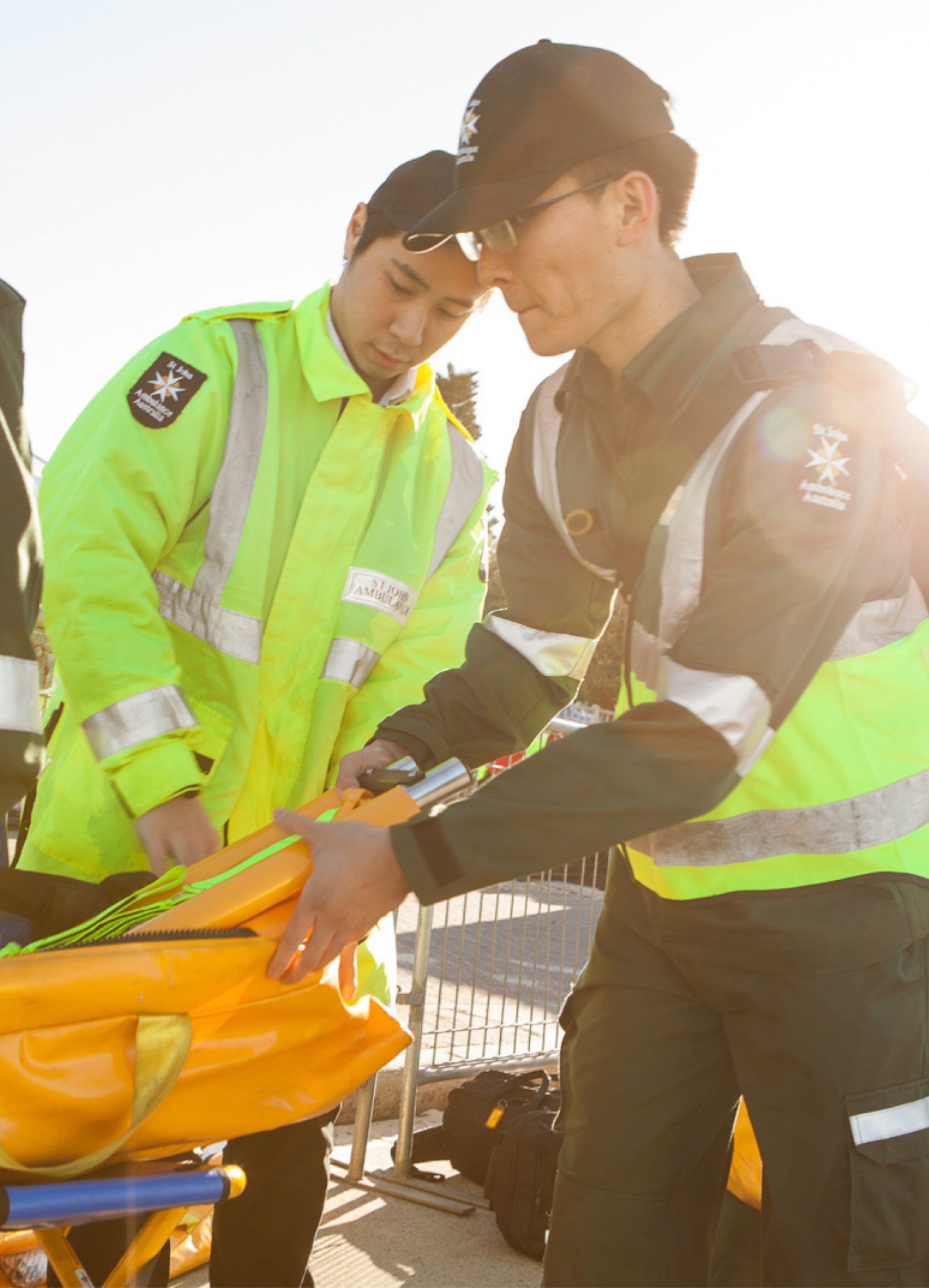
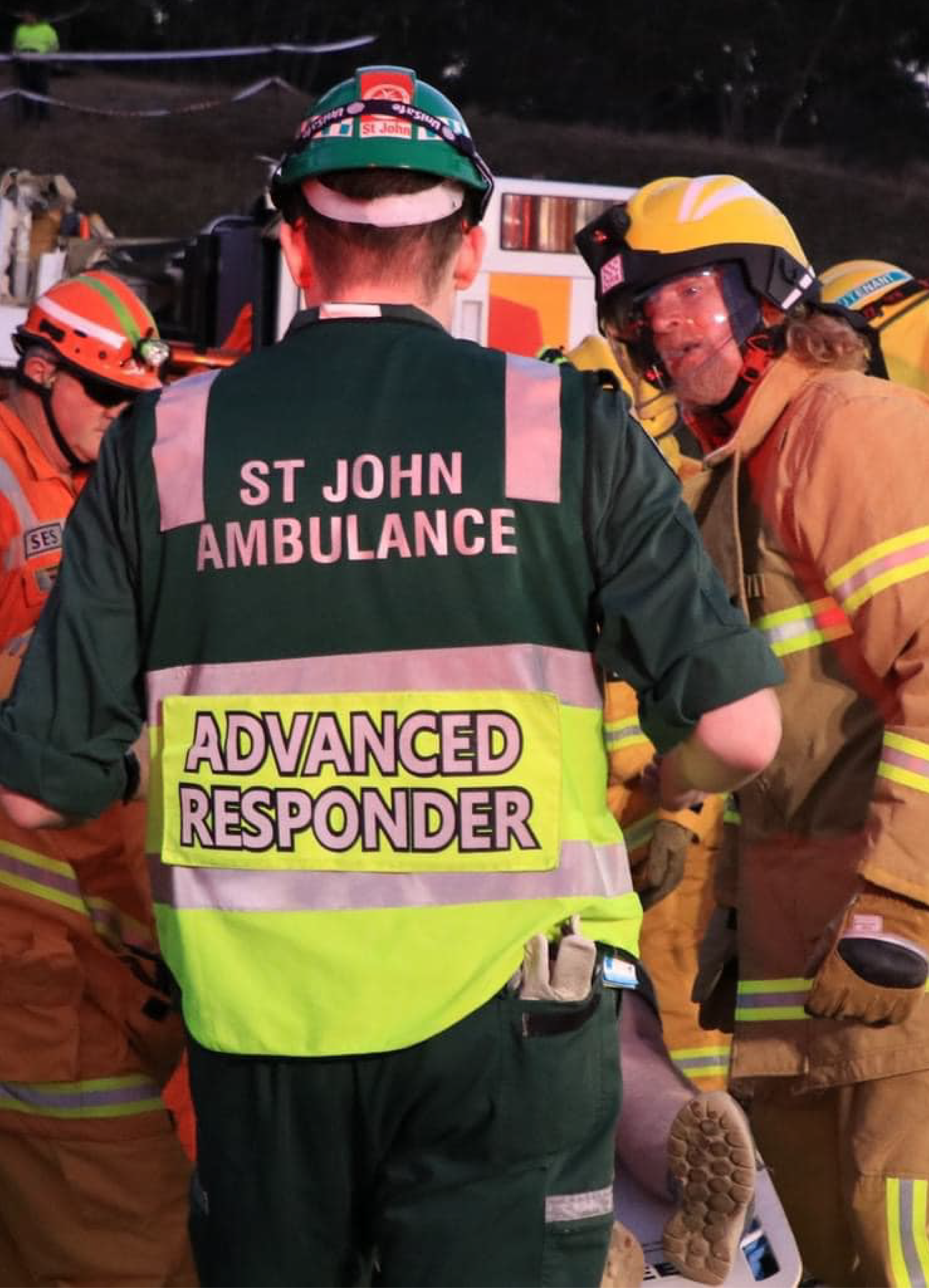
St John is an integral component of Australia’s Emergency Management and Disaster Response planning and deployment. We work across all States and Territories of Australia in partnership with state and territory governments, councils, emergency services and other support agencies. We deliver timely care to individuals, communities and first responders during the most challenging times.
When does
St John deploy?
St John is ready to respond.
In consultation with local Governments, Emergency Services and Emergency Management Plans, St John actively deploys during major incidents including:
- Bushfires
- Floods
- Cyclones
- Storms
- Heatwaves
- Structure fires
- Mass casualty incidents
- Mass gatherings with potential risk
- Pandemics
- Other large-scale or significant community crisis events
Did you know?

Natural disasters attended by
St John in 2024/2025.

People in disaster-struck communities supported by St John.
Scope of deployments
St John draws on its extensive experience and volunteer networks at times of disaster. This includes multi-modal deployments. The scope of engagement varies based on location, local service pathways, and community needs.
Some of the things you’ll find our
St John people supporting include:
Note: In WA & NT St John also provides State/Territory Ambulance Services.
- Frontline First Aid
- Medical Assessments
- Psycho-social supports
- Community Outreach
- Incident Management Teams
- Emergency Operations Centres
- Evacuation Centres
- On-Call emergency physician
- Field Hospitals
- Patient Transport
- Referral Pathways
- Call Centres
- Nursing care
- Community education
- Training
- Mental Health First Aid
How to care for yourself and others
during a disaster event
Major natural disasters and community emergencies can present immediate and longer-term risks to safety, health and mental wellbeing. It’s important to take steps to keep yourself safe and to help others where it’s practical to so.
Prepare early
Follow government advice for having an action plan and supplies available in the event of an emergency.
Stay informed
Monitor latest official emergency updates, warnings and advice.
Follow evacuation instructions
Get out early and safely as soon as advised or follow instructions for when to shelter in place.
Stay hydrated
Ensure adequate water intake, and take small, nutritious meals when you can to avoid dehydration.
Minimise exposure
Smoke, flood waters, debris, gasses, extreme heat, and other exposure risks during a disaster, can be harmful. Take steps to eliminate or reduce exposure such as masks, protective clothing, or shelter, as appropriate.
Rest and stay calm
Stay well rested when possible. Try to maintain calm and avoid unnecessary strenuous activities – you’ll be in be in a better state to help yourself and others.
Check in on others
If safe to do so, check in with others who may need additional help or lack supports.
Follow DRSABCD
In an emergency First Aid situation follow a First Aid Action Plan. You can find out more in our DRSABCD First Aid Fact Sheet.
Important
Anyone experiencing symptoms of life-threatening illness or injury should access emergency medical care as soon as possible.